

We’ve Had Some Moisture
In our April newsletter we discussed the need for rain and the drought conditions that were persisting in early spring. Well, we got some and much more. While this helps us today, it’s not enough to keep our turf and landscape plants maintained for the future. In this newsletter we will discuss what you can do to properly maintain your lawn and landscape and help it reach its full potential.
Spring Applications Continue
Our Lawn Healthcare Technicians have been doing spring applications for more than a month now and will continue for another month before we turn our focus to our summer applications. We have also been busy performing spring aerations, overseeding, and soil conditioner.
There Is Still Time For Spring Applications
As our soil temperatures warm up, that doesn’t mean that it’s too late. Over the past week, soil temperatures have been climbing. However, they can raise or fall five degrees in a single day, which is normal for this time of the year. While warmer soil temps might appear to be cause for concern that Crabgrass will begin to germinate, the temperature fluctuation works in our favor. Crabgrass needs consistently elevated soil temps to begin to germinate, which typically happens in the next four to six weeks. Additionally, our pre emergent also includes a post emergent product to control crabgrass seeds if they have already germinated.
Seedhead Season Is Almost Here
It may be an eyesore, but it’s a natural process. Every year, in May, our cool-season grasses will begin to push seedheads. This is a natural process that happens because it’s the plants way of reproducing, just like any other plant. During this time the plant will use all of its energy to grow and support the seedhead. Because it’s focusing on reproducing, the blade will have a stalky look and appear somewhat unsightly. This process lasts a couple of weeks before it completes and your grass returns to normal.
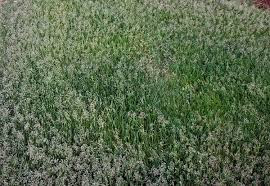
Should I change my maintenance schedule during the reproductive cycle? No, continue mowing in a consistent cadence. It’s important to keep mowing and maintain your grass at the recommended mowing height of three to four inches. Watering a half inch twice per week will also help provide what your turf needs during this demanding time for the plant.
If I let it seed out, will it fill in my bare areas? We get this question a lot; unfortunately, the answer is no. In order for it to seed out naturally your grass would have to grow to its maximum height of one to two feet, fully mature and dry out the seeds. This process would take too long and you would be left with a lawn that resembles a prairie.
Mowing Recommendations
With proper mowing, your turf will thank you. People ask us all the time, ‘What’s the best lawn care tip?’ Our answer is almost always: mowing. Proper mowing not only makes your property beautiful but it helps with the overall health of the grass plant. We recommend a mowing height of three to four inches. This is the optimal height at which grass thrives. It also helps keep the soil cool on hot days and retain moisture.
Along with cutting at the proper height, it’s important to make sure your mower blades are sharp. For a lawn under 10,000 square feet, we recommend starting the season with a freshly sharpened set of blades and changing them around the fourth of July. For lawns larger than that, changing blades three times per season would be best. To monitor how sharp your blades are pay attention to the grass tips where the plant was cut. A sharp blade will make a clean cut. A dull blade will create a ripped tear and the cut location will have a stringy look to it. If you notice more of a ripped cut than a clean cut, your blades need to be sharpened.
Trimming Recommendations
Help prevent issues by properly trimming. We recommend trimming at the same length as you mow. Trimming too low or scalping causes shallow roots creating a stress point for weeds to grow and also leaves those areas susceptible to heat stress.
Commonly Asked Questions
Do I have crabgrass in my lawn already? Crabgrass will not germinate for another couple of months. What you are seeing is more likely K-31 Tall Fescue. There is no chemical control which can be applied that will not also damage the good turf. Hand removal is the safest way to manage these grasses to avoid any accidental damage to the turf.
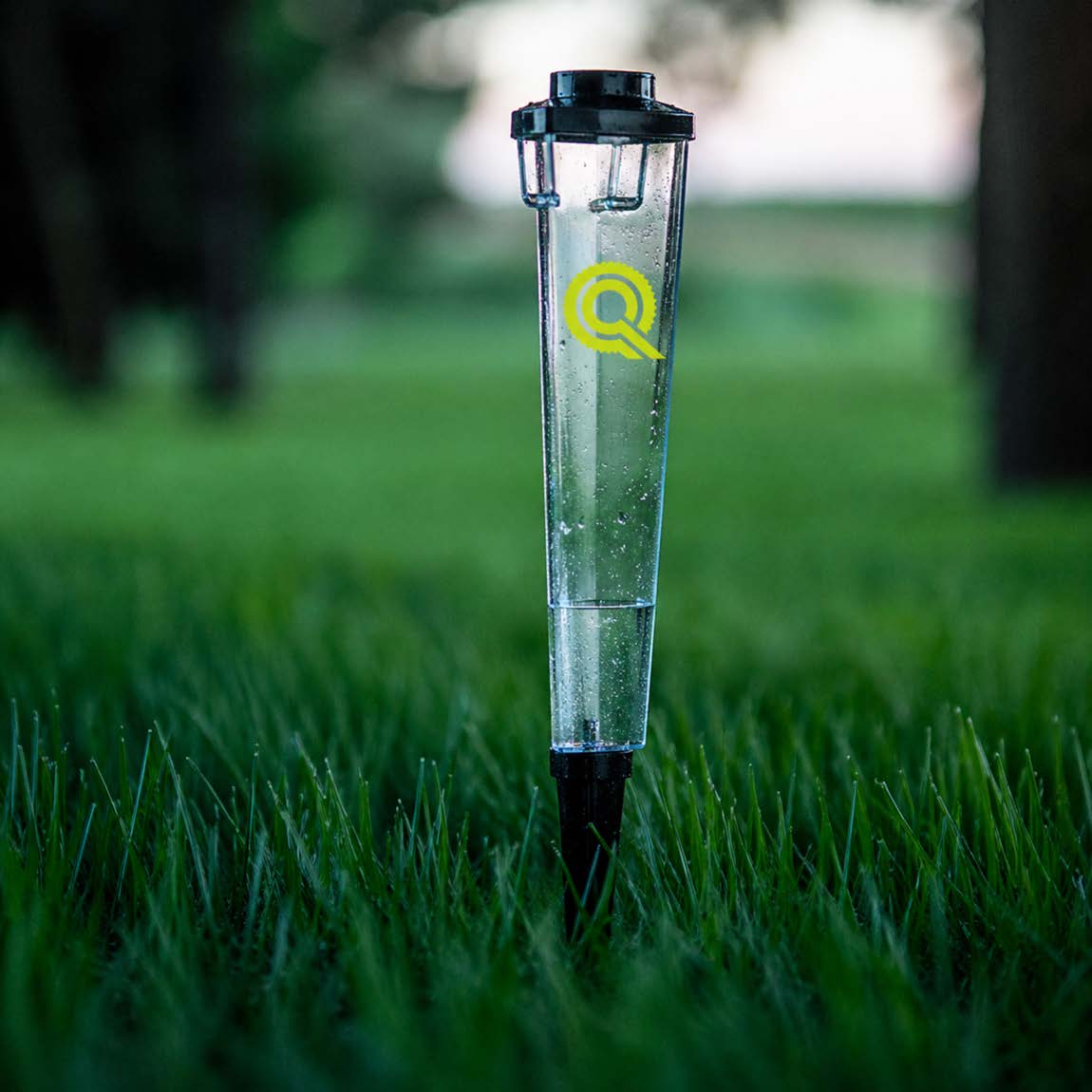
Do I still need to water if there has been rain? We were fortunate to receive good rainfall over the past couple of weeks. However, your turf and plants still need routine watering during the growing season. We recommend watering a half inch, twice per week. Watering deep a couple of days a week is better than watering shallow multiple days per week.
