


Rain-soaked soil, fall recovery ahead
After a hot, rainy summer, Iowa lawns are entering fall ready for cooler weather and recovery.
This season has brought unusually persistent wet conditions, far beyond what we typically experience. Frequent rainfall has kept lawns, landscape beds, and low-lying areas saturated, making routine maintenance more challenging and requiring extra patience as the ground slowly dries. With fall just around the corner, now is the time to assess your property and prepare for the seasonal transition. Paying close attention to drainage, turf health, and landscape conditions can help protect your property as the growing season winds down.
This month’s newsletter will explain what you can do this fall to support your lawn’s recovery and answer some of the most common questions we receive this time of year.
LAWN HEALTHCARE UPDATE: MOVING ON TO FALL APPLICATIONS
We’re wrapping up late-summer applications and moving into fall treatments. This round focuses on controlling broadleaf weeds and other tough varieties like violet and Creeping Charlie. Aerations are ongoing and will continue for several weeks.
GRUB SEASON IS HERE
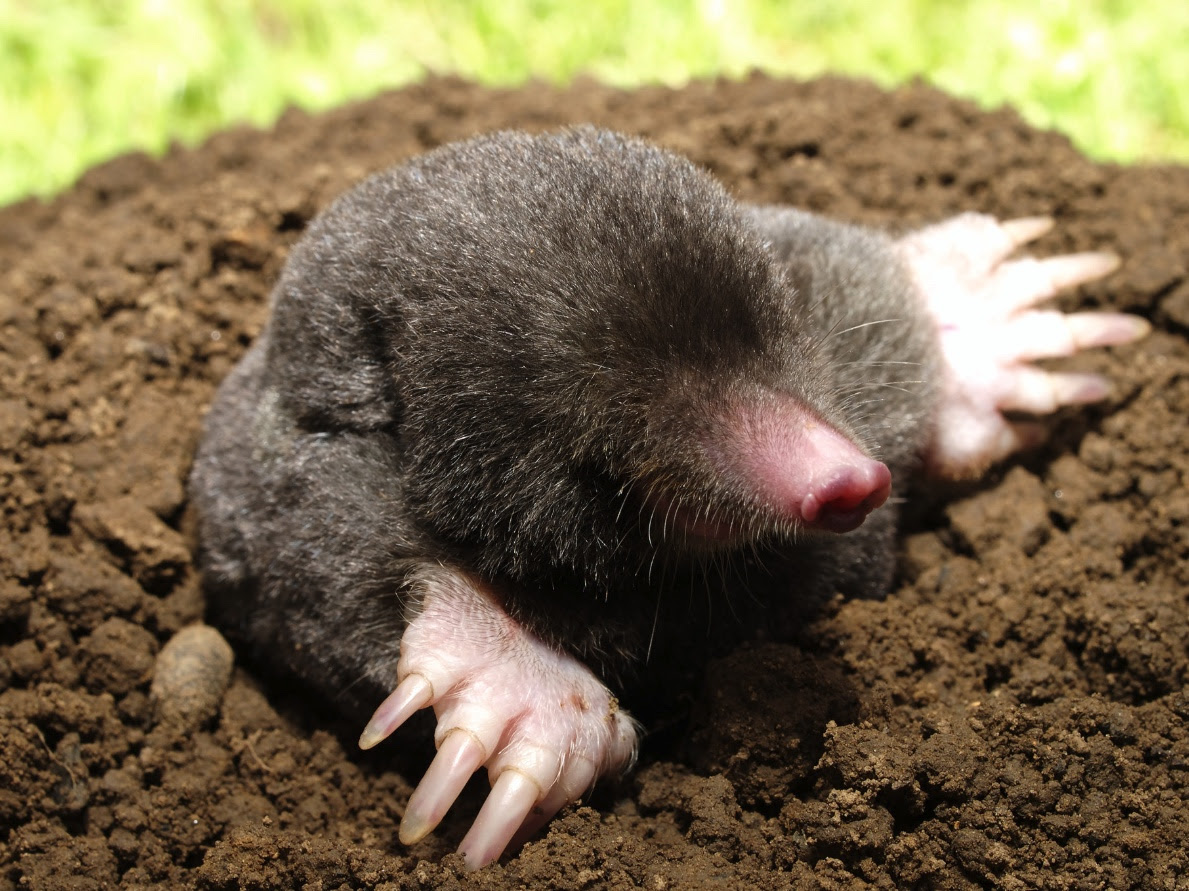
MOLE ACTIVITY DOESN’T ALWAYS MEAN GRUBS
Seeing mole tunnels in your lawn does not automatically mean you have a grub problem. Mole activity often increases when the soil is soft and moist because tunneling is easier and food is closer to the surface.
Moles primarily feed on earthworms and other soil-dwelling insects. Although they may occasionally eat grubs, grubs are only one possible food source. A healthy lawn with few or no grubs can still attract moles if earthworms and other insects are plentiful.
Because mole activity is not proof of a grub infestation, applying grub control solely to eliminate moles is unlikely to solve the problem. Effective mole management should target the moles directly with properly placed traps or bait along active tunnels.
RUST is A HARMLESS SIGN OF SLOWING GROWTH
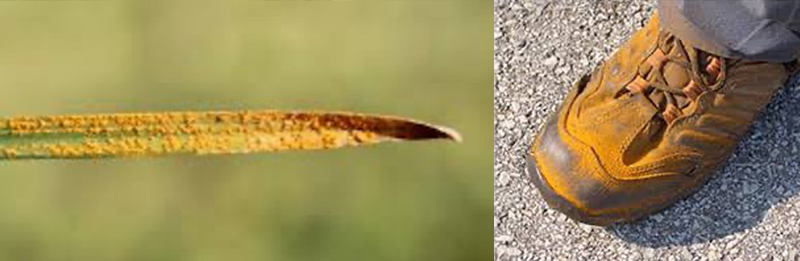
Lawn rust is a common fungal disease that creates a yellow or orange powder on grass blades, shoes, and mowing equipment. Although it can look concerning, rust is generally harmless and causes little to no lasting damage to an established lawn.
Rust becomes noticeable when the lawn’s top growth slows and infected grass blades are no longer being removed or replaced as quickly. Extended moisture, cooler temperatures, cloudy weather, and seasonal stress can all slow growth and allow the orange spores to accumulate. The orange color is not proof that the lawn is lacking nitrogen, so additional fertilizer is not automatically needed.
As growing conditions improve and the turf begins actively growing again, the lawn will typically outgrow the rust naturally. Continue mowing as needed, avoid watering late in the day, and allow the grass blades to dry between watering cycles. In most cases, no aggressive treatment is necessary.
FALL IS HERE, AND SO ARE THE PESTS
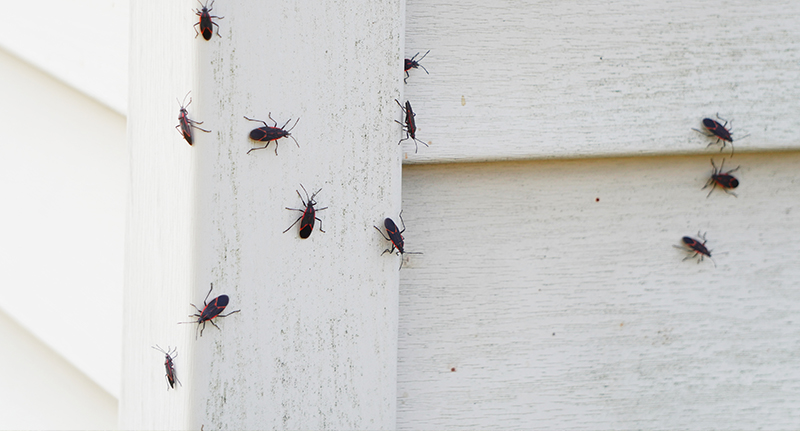
Cooler weather brings unwanted visitors, protect your house before they settle in. As the temperatures drop, pests like boxelder bugs, stink bugs, and spiders start looking for a warm place to seek shelter and move into our homes. Our perimeter pest control service creates a protective barrier around your home to keep these invaders out before they get inside.
FAQ’S
Why do I have mushrooms in my lawn?
Mushrooms often appear in lawns after extended periods of rain or high moisture. While they may seem concerning, they are generally harmless and can actually be a sign of healthy soil activity. Mushrooms are the visible part of beneficial fungi working below the surface to break down organic matter and return nutrients to the soil. They typically disappear naturally as the ground dries and conditions become less favorable.
Should I continue to mow in the Fall?
Continue mowing your lawn throughout the fall for as long as the grass is actively growing. Maintain a height of approximately 3 to 3.5 inches, follow the one-third rule, and use a sharp mower blade to create a clean cut. Avoid mowing when the lawn is saturated, as heavy equipment can create ruts, compact the soil, and damage soft turf. Keeping the lawn properly maintained will help it remain healthy and prepared for winter.
WHEN THE GROUND STAYS SOGGY, PATIENCE IS KEY
This season’s unusual moisture has brought several noticeable changes to lawns and landscapes, including increased mole activity, lawn rust, mushrooms, and soft turf. While these conditions may look concerning, many are natural responses to prolonged wet weather and are not signs that your lawn is failing.
As fall settles in, patience and proper maintenance will be especially important. Allow saturated areas time to dry, mow only when conditions permit, and continue monitoring your property for drainage or turf concerns. Thoughtful care now will help your lawn and landscape finish the growing season strong and prepare for the winter months ahead.
