

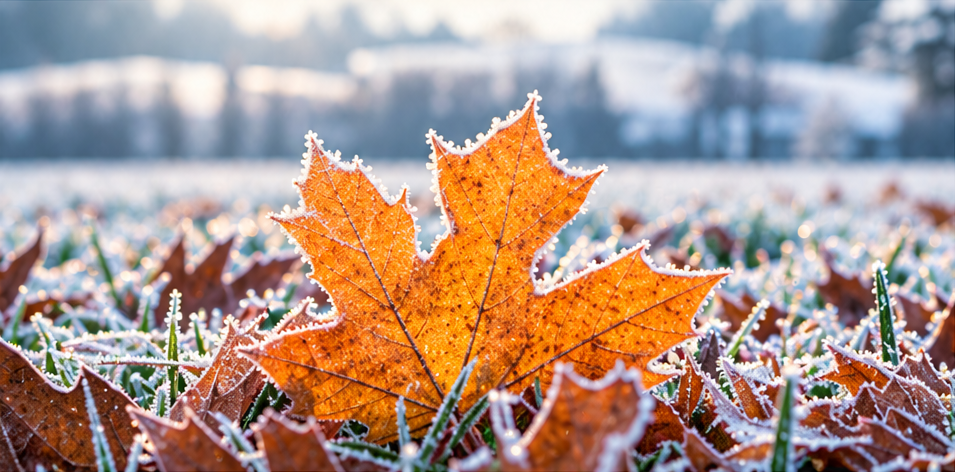
let’s get your lawn ready
Winter is coming, and now is the time to prepare your lawn for the colder months ahead. Clearing fallen leaves, keeping up with final mowing, and removing lawn debris help your grass head into winter clean and ready for the season.
A Fall To Enjoy. A Winter To Prepare For.
What a beautiful fall we’ve enjoyed after September’s heavy rains! Warm days and cool nights are what we love about fall, and we’ve been fortunate to have plenty of both. Lawns have made the most of the moisture and favorable growing conditions, and many are looking their best as the season winds down.
Unlike the dry conditions of the past two falls, this year’s moisture has given our turf a welcome opportunity to recover, strengthen roots, and build energy reserves before winter. These conditions help lawns head into dormancy in better shape and lay the groundwork for a healthy start next spring.
Of course, this beautiful fall weather won’t last forever, and winter is just around the corner, hopefully later rather than sooner! In this month’s newsletter, we’ll discuss what’s happening with your lawn and share tips to prepare your lawn and landscaping for the colder months, helping your property enter winter well prepared and emerge ready for spring.
LAWN HEATHCARE UPDATE
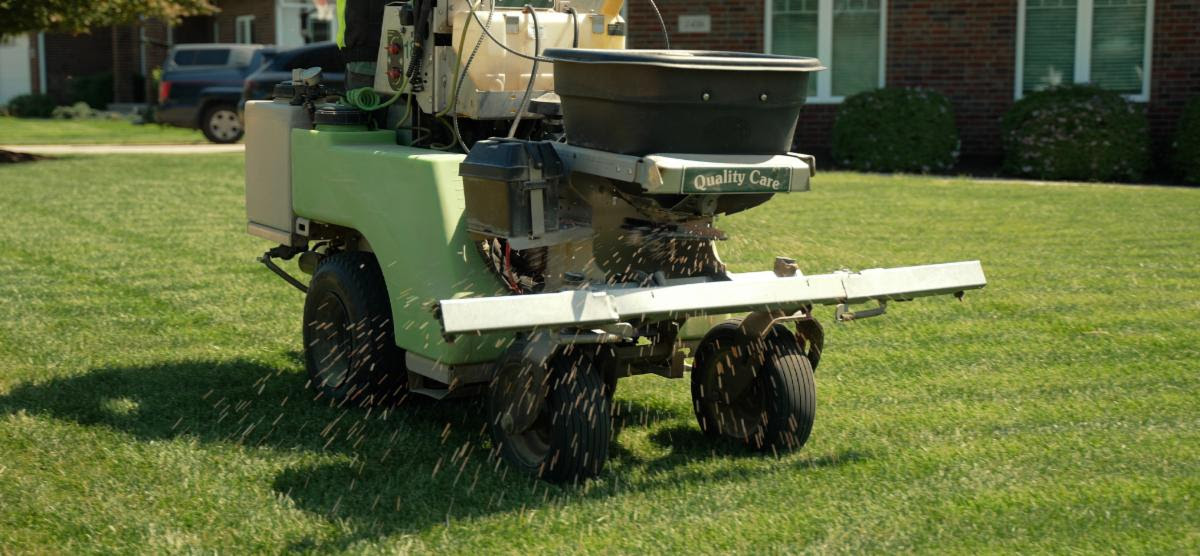
Fall Applications Are in Full Swing
The favorable weather is providing an excellent opportunity to target broadleaf weeds, including hard to control weeds like Wild Violet and Creeping Charlie. We’re making the most of these conditions as we work through our fall application routes, giving these persistent weeds some extra attention before the growing season comes to a close.
Aeration services are also winding down as we complete our remaining scheduled properties. It’s been a productive fall, and we’re pleased to see lawns responding well to the recent weather and seasonal care. Our crews are continuing to make the most of the remaining days to help your lawn finish the season strong and head into winter in good condition.
Your Lawn Is Slowing Down, But It’s Gearing Up for Winter.
Your lawn’s natural antifreeze.
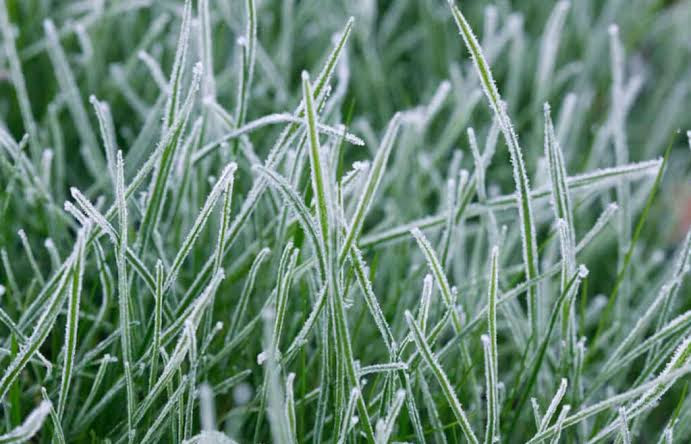
Your lawn may look like it’s slowing down for winter, but there’s more happening than meets the eye. As days get shorter and temperatures drop, cool-season grasses begin a process called cold acclimation. Grass plants accumulate sugars and adjust the water content in their cells, helping protect sensitive tissues from freezing damage. Think of it as your lawn developing its own version of natural antifreeze.
Growth above ground slows, so you’ll notice less need for mowing. Below the surface, roots can remain active while soil temperatures are favorable. The plants also store carbohydrates that provide energy through winter and fuel new growth in spring. One especially important part is the crown, the growing point near the soil surface where roots and shoots meet. If the crown stays healthy, the grass can produce new leaves when warmer weather returns.
As colder conditions settle in, your lawn may enter dormancy and turn brown or lose some of its green color. That change doesn’t necessarily mean the grass has died, it’s often a normal response to winter conditions.
FALL IS HERE, AND SO ARE THE PESTS
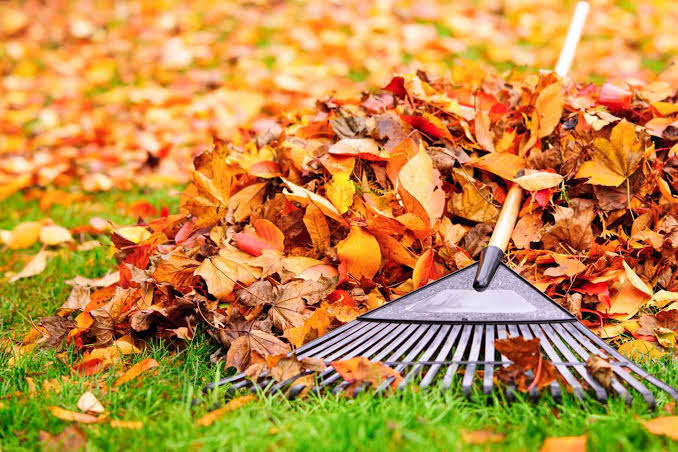
Clear the leaves before the freeze. Clearing fallen leaves, sticks, and other seasonal debris is an important part of preparing your lawn for winter. Thick layers of wet leaves can mat down and smother the grass, blocking sunlight and trapping moisture against the turf. Keeping this buildup under control helps your lawn enter winter in better condition and makes spring cleanup easier. When deciding whether to mulch or rake, let the amount and condition of the leaves guide you. Light layers of dry leaves can be mulched with your mower, returning organic matter to the soil. Mow when the leaves are dry and make an extra pass if needed to chop them into small pieces that settle between the grass blades. If shredded leaves still cover the grass, or the leaves are wet, matted, or piled heavily, rake or bag them instead.
If you’re unable to tackle fall cleanup or simply don’t have the time, let Quality Care take care of the work for you. Raking, blowing, and hauling away leaves can be a demanding job, especially when they’re wet and heavy. Our team can clear fallen leaves, sticks, and seasonal debris from your lawn and landscape beds, leaving your property tidy and ready for winter.
Our one-time fall cleanup is scheduled after the leaves have dropped, giving your property a thorough cleanup to finish the season. Whether you need an extra hand or want the entire job handled, we’re here to help.
Mow Smart As The Season Winds Down
Let your lawn decide the final cut. The right time to stop mowing depends on your lawn’s growth, not a date on the calendar. Cool-season grasses can continue growing well into fall during mild weather, so keep mowing as needed until growth stops. A frost or one cold night doesn’t necessarily mean the season is over, warmer conditions may bring another round of growth. Choose a dry day when the grass is free of frost, and avoid mowing when the ground is frozen, soft, or saturated.
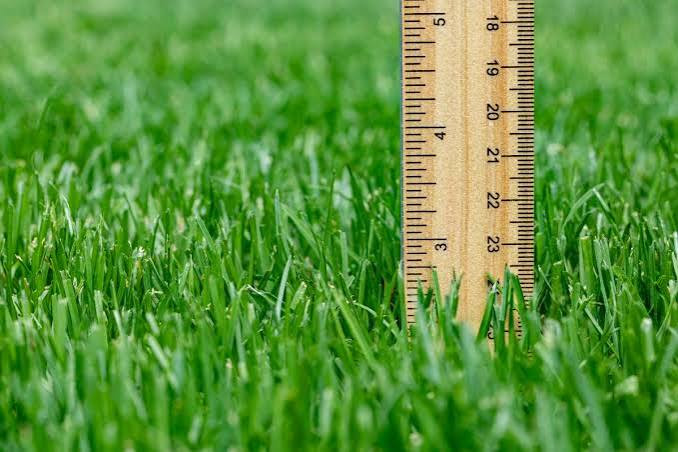
For your final mowing, aim for a height of about 2½ to 3 inches for most cool-season lawns. If you’ve been mowing higher, lower the height gradually, removing no more than one-third of the grass blade at a time. Avoid scalping, which can weaken the turf heading into winter. Finish by removing heavy clippings and remaining leaves so they don’t mat down and smother the grass.
More Tips To Prepare For Winter
Keep The Water Flowing Until The Ground Stops Absorbing
Don’t put the hose away just because cooler weather has arrived. Newly planted trees and shrubs still need water through fall, even after their leaves have dropped. Their roots can remain active after growth above ground has stopped, and moisture helps support continued establishment. Keep checking the soil during dry periods and water as needed until the ground freezes—not just until the first frost.
A cold night or a light freeze doesn’t necessarily mean the soil is frozen beneath the surface. Continue watering while the ground can absorb it, applying water slowly around the root ball and surrounding soil. Check soil moisture regularly and account for rainfall so roots stay moist without becoming waterlogged. Giving new plantings adequate moisture before the ground freezes helps them enter winter better prepared, especially evergreens that continue losing moisture through their needles.
Enjoy The Frost From The Sidewalk
A frosty lawn may look beautiful, but it’s best enjoyed from the sidewalk. Frozen grass blades are more vulnerable to injury, and pressure from footsteps, pets, or equipment can leave brown footprints and tracks that linger long after the frost has melted. With growth slowing late in the season, damaged areas may take longer to recover.
Wait until the frost has completely melted and the grass has thawed before walking across the lawn, mowing, or doing yardwork. Shaded areas often hold frost longer than sunny spots, so check before heading out. Stick to paved surfaces whenever possible, and continue limiting traffic if thawing leaves the soil soft and soggy to help prevent compaction and ruts.
Finish Fall Strong, Head Into Winter Prepared
This fall’s moisture, warm days, and cool nights have given our lawns a welcome chance to recover and prepare for winter. While growth above ground is slowing, grass plants are adjusting to colder temperatures and storing energy for spring. Our crews are making the most of the remaining season by completing fall weed control applications and wrapping up scheduled aeration services.
As winter approaches, a few simple steps can help protect that progress. Keep leaves and debris from covering the grass, continue mowing as growth requires, and water new trees and shrubs during dry periods until the ground freezes. Avoid traffic on frosty or soggy turf, and give your property a little extra attention now to help it head into winter in good condition.
